

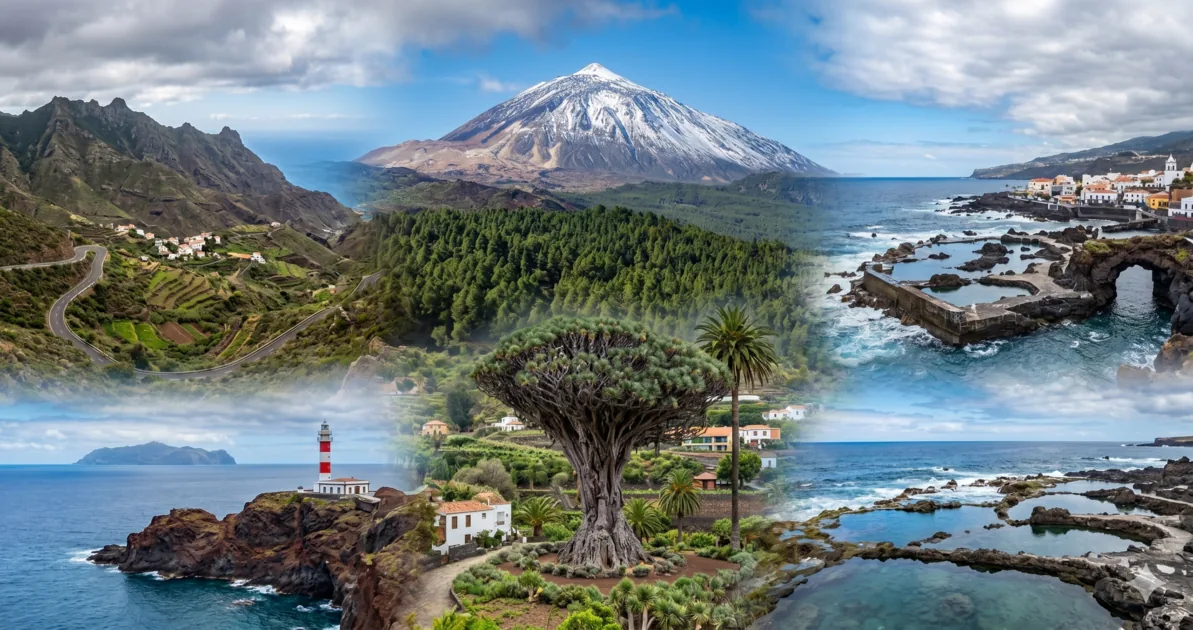
Updated in 2026. Northern Tenerife has a different pace: greener, more changeable, and often cooler than the south. It is also a perfect area for a driving route because within a few kilometres you move from historic centres to laurel forest, natural pools, viewpoints, and towns with a great deal of character.
Do not think of the north as a list of isolated stops. It works better by area and with flexibility for the weather. A cloud can cover a viewpoint in ten minutes here and, half an hour later, provide beautiful light over the Atlantic.
1. La Laguna and Anaga
Walk around La Laguna. Drive through Anaga calmly. From La Laguna, you can enter via Cruz del Carmen and Pico del Inglés, then descend towards Taganana, Almáciga, or Benijo when conditions permit. WebTenerife notes that Anaga access points can be reached from La Laguna in around 15 to 20 minutes, depending on the entrance.
2. Puerto de la Cruz and La Orotava
Puerto de la Cruz offers the coast, Lago Martiánez, Playa Jardín, La Ranilla, and the Botanical Garden. La Orotava adds a historic centre, balconies, gardens, and a beautiful road towards Teide. Together, they form one of the most rewarding routes through the north.
3. Icod, Garachico, and Isla Baja
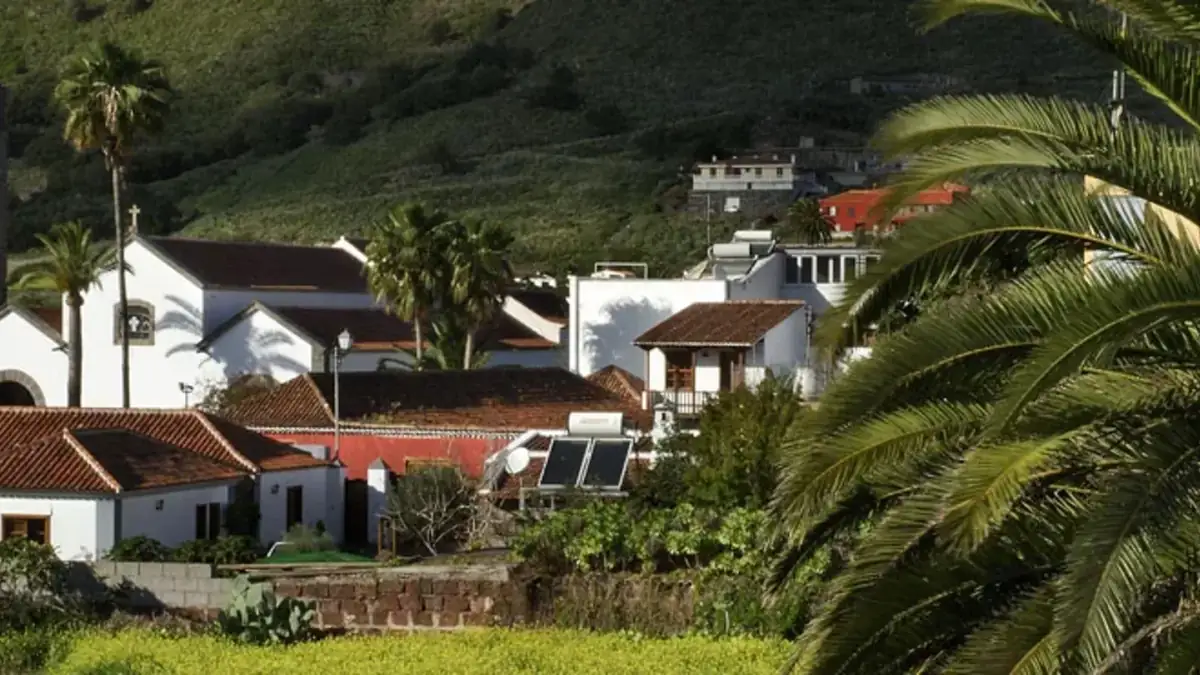
Icod de los Vinos, Garachico, Los Silos, and Buenavista del Norte reveal a volcanic, historic, and peaceful Tenerife. It is an ideal area for unhurried meals, walking through well-kept historic centres, and watching the sea respectfully.
4. Teno and Masca
Teno and Masca offer dramatic landscapes but require planning. Expect narrow roads, limited parking, and possible access regulations. Set off early and do not turn the route into a race.
Recommended three-day itinerary
Day 1: La Laguna, Anaga, Taganana, and Benijo. Day 2: Puerto de la Cruz, La Orotava, and valley viewpoints. Day 3: Icod, Garachico, Los Silos, Buenavista, and Teno if access permits.
Advice for the north
- Bring a light jacket even if you set off in sunshine.
- Check the state of the sea before swimming in natural pools or open beaches.
- Do not calculate only the kilometres: there are bends and stops.
- Park outside historic centres and walk.
- Book popular restaurants at weekends.
- Do not leave belongings visible inside the car.
Frequently asked questions about northern Tenerife
Is the north or south better?
It depends on the trip. The north is greener, more historic, and more local. The south is usually more convenient for beaches, hotels, and reliable sunshine. Ideally, combine both.
Where should you stay in the north?
Puerto de la Cruz is practical; La Laguna is ideal for the city and Anaga; Garachico or Buenavista suit relaxed trips.
Does the north have good beaches?
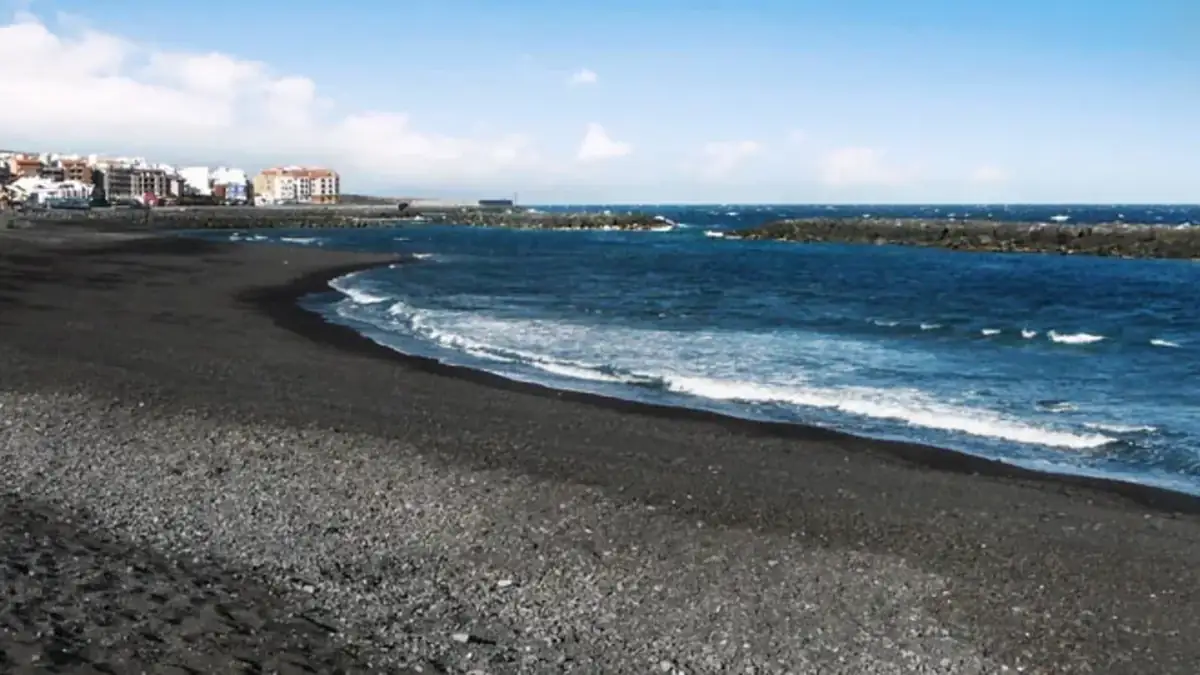
Yes, but many are volcanic and open to the Atlantic. Always check flags, the swell, and notices before swimming.
If you are putting together a more complete itinerary, also save our Tenerife in three days route and the general guide to what to visit in Tenerife to organise your time and distances.
How to choose without overpaying
Before booking, think about how you will actually use the car. Travelling only between your hotel and the beach is not the same as driving up Teide, exploring Anaga, or carrying large suitcases. In Tenerife, it is worth choosing a vehicle that is comfortable on hills, easy to park, and offered with clear conditions from the first click.
Always check what the cover includes, whether there is an excess, the fuel policy, collection and return times, roadside assistance, and possible surcharges. It sounds boring, I know, but this is precisely what separates a straightforward booking from a surprise at the desk.
If you are travelling for several days, allow time to park without rushing and avoid long routes on the day you arrive. The island is more enjoyable when the car gives you freedom, not when it forces you to race from one place to another.
A short checklist before booking
Confirm the collection point, opening hours, deposit, required documents, and number of drivers. If the trip includes mountain routes or several suitcases, prioritise comfort over the lowest price.
It is also useful to save screenshots or emails containing the booking details. There is no need to become obsessive, but having clear information avoids uncertainty when you arrive tired after the flight or with children waiting.
If you are choosing between two similar models, pick the one that gives you better visibility and enough luggage space. On an island of panoramic roads, comfortable driving makes more difference than you might expect.
For longer stays, also check mileage, maintenance, vehicle replacement if required, and extension conditions. A cheap option stops being cheap if it does not suit the reality of the trip.
If you plan to explore both the north and south, also consider fuel consumption and ease of manoeuvring. A balanced car is usually better than one that is too large for urban parking or too small for driving uphill with luggage.
For bookings with no-excess cover, look for a simple explanation: what is covered, what is not, and what to do if you need to report an incident. When this is clear, the trip begins with much greater peace of mind.
That transparency is worth its weight in gold.