


Updated in 2026. If you are wondering what to visit in Tenerife, the appealing answer is this: it depends on your pace. Tenerife is not only beaches or only Teide. It is an island where you can drive up a volcano in the morning, eat in a northern town, head down to a natural pool in the afternoon, and end the day watching the sunset with the feeling that you have discovered a secret.
This guide brings together 15 places and routes to help you organise your trip without wasting time. The idea is not to race from one photograph to another, but to choose well according to where you are staying, how many days you have, and whether you are travelling as a couple, with children, with friends, or simply in the mood for relaxed driving.
1. Teide National Park
Teide is the visit that leaves the greatest mark on a trip to Tenerife. The road is already part of the experience: pine forest, lava flows, viewpoints, and the mineral landscape of Las Cañadas, which looks like another planet. Bring an extra layer even in summer, check the weather before driving up, and do not leave things to chance if you want to use the cable car or reach very popular trails.
Vanessa’s advice: drive up at a relaxed pace and do not fill the day with too many stops. You will notice the altitude, the sun is strong, and the outing is much better if you leave time to stop at viewpoints such as La Tarta, Minas de San José, or Roques de García.
2. San Cristóbal de La Laguna
La Laguna is perfect for an unhurried walk. Its World Heritage historic centre preserves pedestrian streets, courtyards, churches, colourful houses, and cafés where you will want to stop. It is very easy to combine with Anaga or Santa Cruz.
3. Anaga Rural Park
Anaga is laurel forest, winding roads, ravines, and viewpoints with the Atlantic in the background. It is advisable to set off early, drive patiently, and avoid trying to cover everything in one morning. Cruz del Carmen, Pico del Inglés, Taganana, Benijo, and Almáciga are names that tend to remain in your memory.
If you plan to hike, always check the condition of the trails and wear suitable footwear. Anaga changes greatly with mist, rain, or wind, and that is part of its magic, but it also demands respect.
4. Santa Cruz de Tenerife
The capital works very well for a day in the city: Nuestra Señora de África Market, Tenerife Auditorium, García Sanabria Park, the Palmetum, and a walk through the centre. If you want a beach, Las Teresitas is nearby and is one of the island’s most convenient postcard scenes.
5. Las Teresitas Beach
Las Teresitas is a broad, family-friendly beach protected by a breakwater. Ideally, visit early on busy days, combine it with the viewpoint above, and continue towards San Andrés or Anaga if you fancy a panoramic drive.
6. La Orotava
La Orotava has one of the most elegant historic centres in the north: wooden balconies, gardens, squares, and views towards the valley. It is an excellent stop if you are driving to Teide from the north or staying in Puerto de la Cruz.
7. Puerto de la Cruz
Puerto de la Cruz combines a seafront promenade, the Lago Martiánez pools, characterful neighbourhoods, and a local atmosphere. Do not visit it only as a hotel base: wander through La Ranilla, visit the Botanical Garden, and reserve time for a meal overlooking the sea.
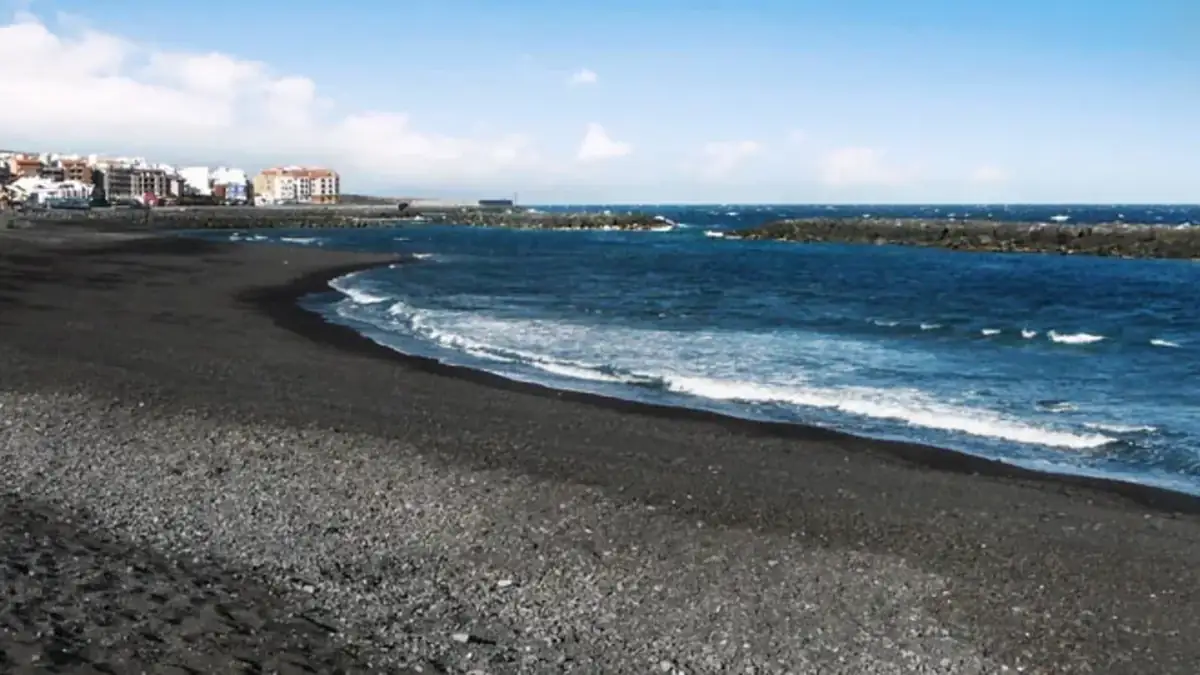
8. Garachico and El Caletón
Garachico is one of those towns that explains Tenerife’s volcanic history without the need for lengthy speeches. Its streets, black coast, and El Caletón natural pools make a complete outing. Be careful about swimming when the sea is rough: the Atlantic is in charge here.
9. Icod de los Vinos and the Ancient Dragon Tree
Icod deserves more than a quick photograph of the dragon tree. You can visit the area around Drago Park, walk through the historic centre, visit viewpoints, and combine it with Garachico or Cueva del Viento if you plan the day with an advance booking.
10. Masca and Teno Rural Park
Masca is one of Tenerife’s most famous roads and also one that demands the most attention. Go early, avoid peak times, drive slowly, and do not become obsessed with parking at the door. Your reward is ravines, hamlets, and a beautiful sense of old Tenerife.
11. Los Gigantes Cliffs
Los Gigantes is impressive from the viewpoint, the harbour, and the sea. If you take a whale-watching trip, choose responsible operators and avoid turning the experience into a pursuit of animals. The area combines very well with Playa de la Arena, Alcalá, or Puerto de Santiago.
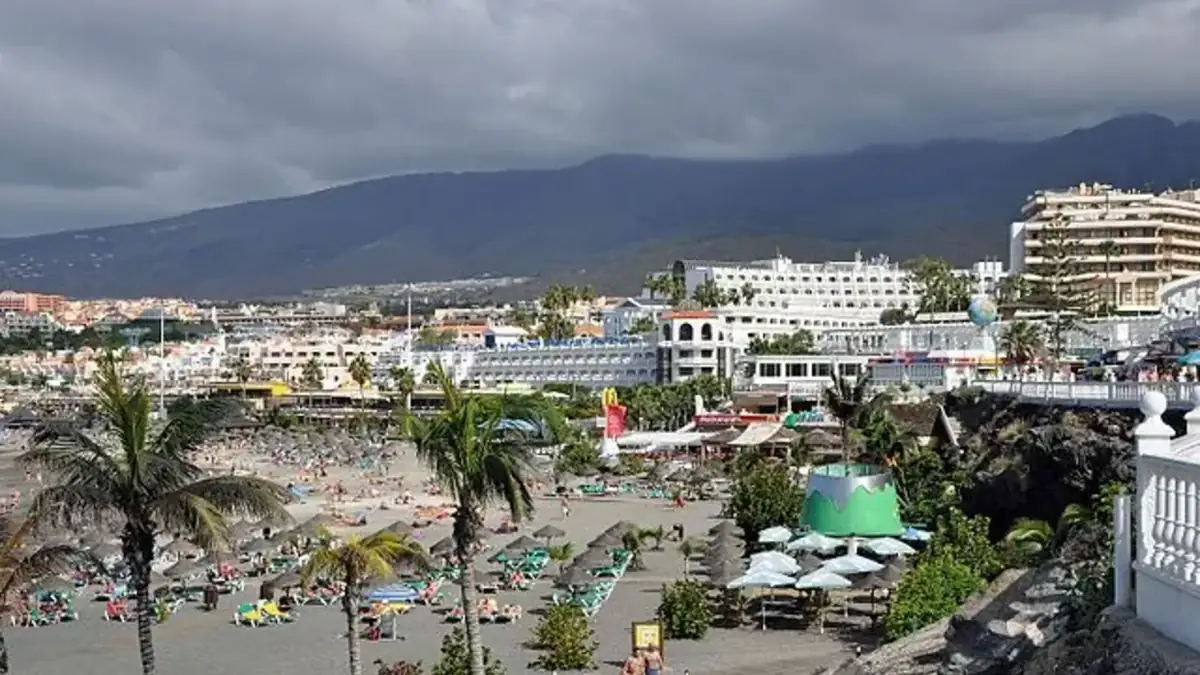
12. Costa Adeje, La Caleta, and southern beaches
In the south, you will find convenient beaches, hotels, restaurants, shopping centres, and rewarding sunsets. Costa Adeje is practical for driving towards Teide via Vilaflor, towards Los Gigantes, or towards El Médano. La Caleta provides a quieter setting for eating fish and walking beside the sea.
13. El Médano and Montaña Roja
El Médano means wind, a surfing atmosphere, terraces, and one of Tenerife’s most distinctive beaches. If you climb or walk around Montaña Roja, respect the marked paths and avoid the hottest hours.
14. Natural pools and coastal swimming spots
The north is full of natural pools and swimming spots: Bajamar, Punta del Hidalgo, Mesa del Mar, Jover, El Caletón, and other places where swimming depends heavily on the state of the sea. Before entering, watch how the waves break and obey flags, signs, and common sense.
15. Viewpoints for understanding the island
Tenerife makes sense from its viewpoints. Humboldt, Chipeque, Jardina, Cherfe, Archipenque, La Garañona, and Pico del Inglés help you see how the landscape changes within a few kilometres. Keep a jacket in the car and do not assume the weather at altitude will be the same as on the coast.
Recommended itinerary if you have three days
Day 1: La Laguna, Anaga, Taganana, and Benijo Beach if the weather permits. Day 2: Teide, La Orotava, and Puerto de la Cruz. Day 3: Garachico, Icod, Masca, and Los Gigantes. It is an intensive but logical route if you start early and do not try to include too many indoor visits.
Recommended itinerary if you have five to seven days
With more days, slow the pace. Spend a full day on Teide, another in Anaga, another in the historic north, another in the south, and another at beaches or natural pools. If you are travelling with children, alternate driving and swimming. If you are visiting as a couple, save a sunset for Los Gigantes or La Caleta.
Practical advice for getting around
- Book your car in advance if you travel during summer, Christmas, Easter, or Carnival weeks.
- Do not underestimate distances: 30 kilometres of mountain road does not feel like 30 kilometres of motorway.
- Keep water, sunscreen, an extra layer, and comfortable footwear in the luggage compartment.
- Avoid leaving belongings visible inside the car, especially at viewpoints and swimming areas.
- Check the weather by area. Tenerife can have sunshine in the south, mist in Anaga, and cold weather on Teide on the same day.
Frequently asked questions about what to visit in Tenerife
Which area should you choose as a base?
The south is convenient for beaches, entertainment, and good weather. The north is ideal if you want towns, greenery, food, and a more local atmosphere. For a first visit, dividing your stay or travelling by car helps a great deal.
Can you visit Tenerife without a car?
You can, especially if you focus on cities and organised excursions. Even so, a car makes a real difference if you want the freedom to visit viewpoints, natural pools, towns, and mountain routes.
What is the best time to visit Tenerife?
Tenerife can be visited all year round. Spring and autumn are usually very comfortable for routes, summer requires earlier booking and early starts, and winter lets you combine mild beach weather with mountain activities when conditions permit.
If you are putting together a more complete itinerary, also save our Tenerife in three days route and the general guide to what to visit in Tenerife to organise your time and distances.