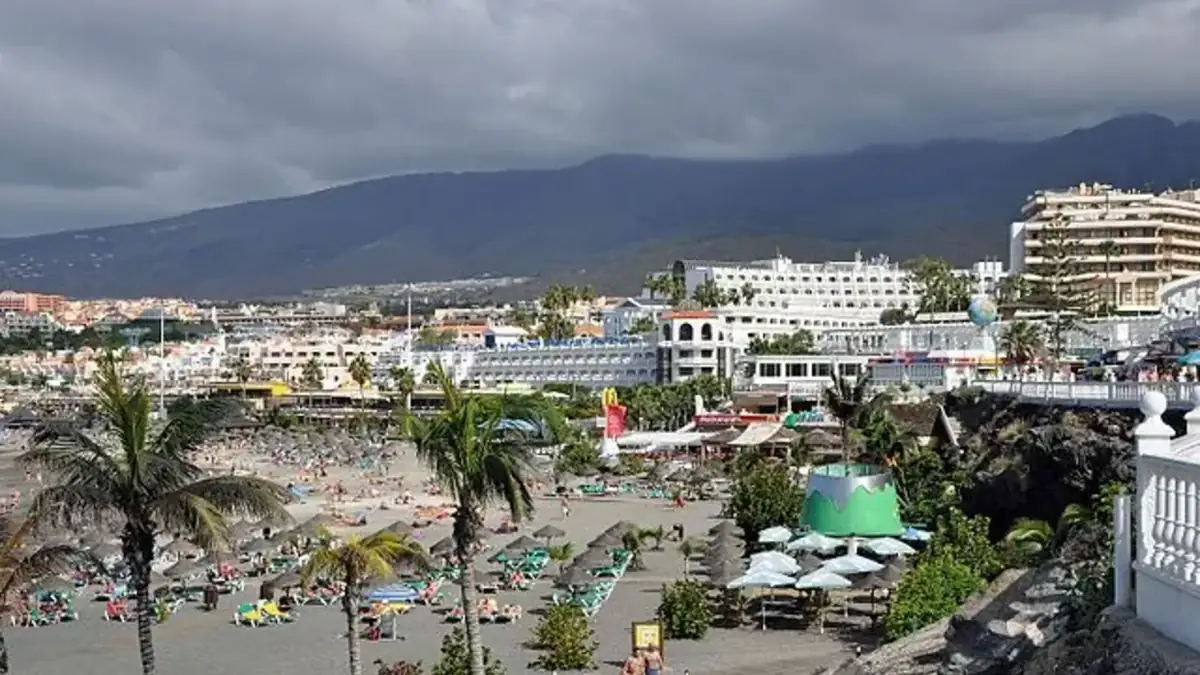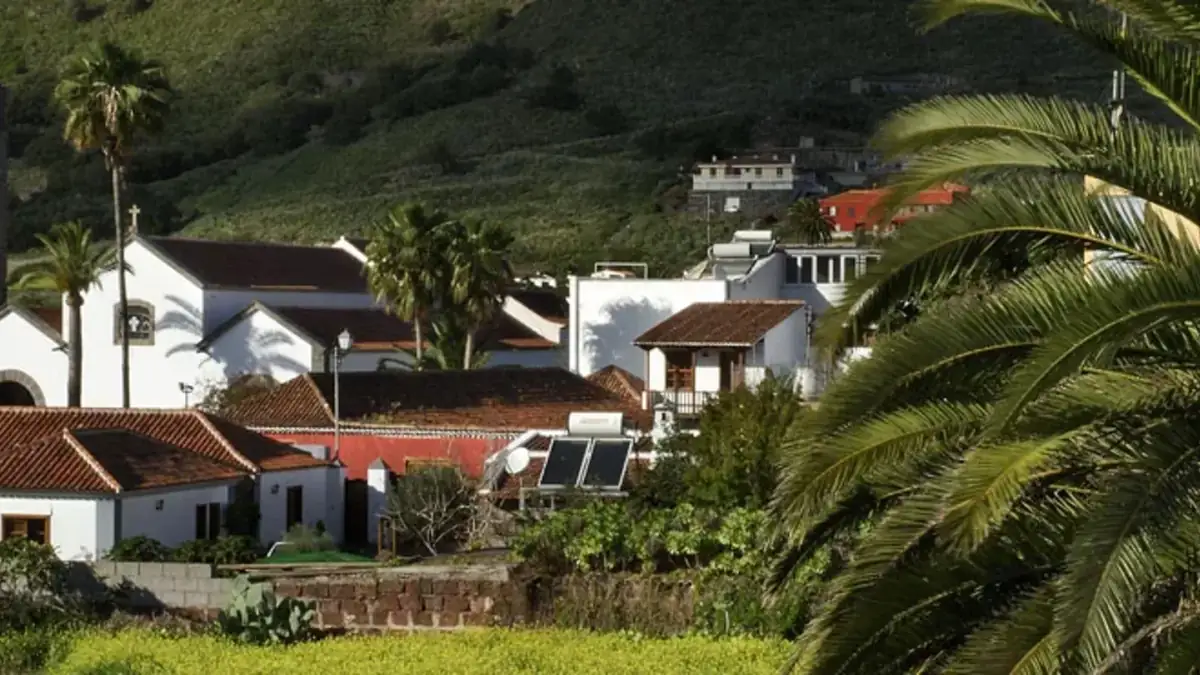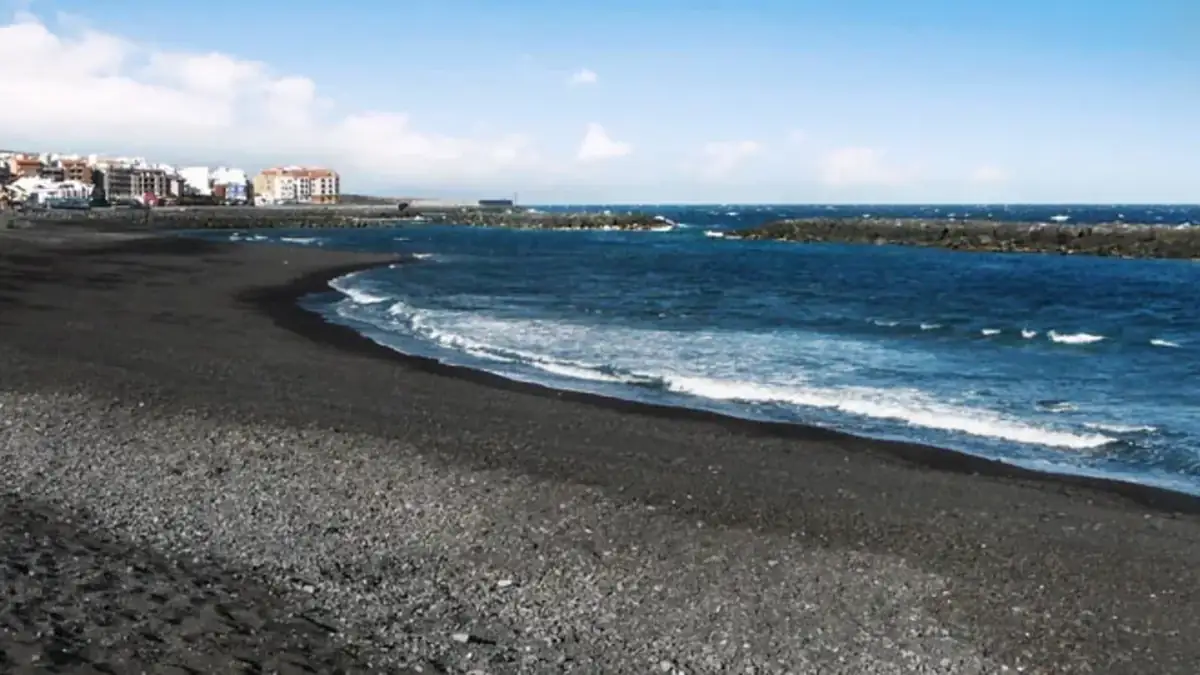



Tenerife’s natural pools are one of those volcanic gifts that seem designed to make you stop the car and stay for a while: lava, salt water, sunshine, and the Atlantic breaking nearby. But this also needs to be stated clearly in 2026: a rock pool is not a hotel swimming pool. Sea conditions, tides, wind, and signs always take priority.
The best natural pools and rock pools
- Bajamar: two large pools and a children’s pool, facilities, a promenade, and a Blue Flag according to Tenerife Tourism.
- Punta del Hidalgo: a very popular bathing area in La Laguna, with scenery open to the Atlantic.
- El Caletón in Garachico: volcanic pools beside one of the island’s most beautiful historic centres.
- Charco de La Laja: in San Juan de la Rambla, beautiful when the sea is calm.
- Charco del Viento: in La Guancha, with lava formations and a distinctly northern atmosphere.
- Charco de la Araña: in Los Silos, attractive but always dependent on the waves.
- Mesa del Mar: in Tacoronte, combining a black-sand beach, a natural pool, and a cliff-lined coast.
- El Pris: a fishing neighbourhood in Tacoronte with natural pools and a local atmosphere.
- Isla Cangrejo: in Santiago del Teide, with a wall sheltering a family bathing area.
- La Jaquita promenade: in Alcalá, with adapted rock pools and a pleasant coastal walk.
Not every place has the same facilities. Bajamar, Garachico, and Alcalá are usually more convenient for families; other rock pools are wilder and require greater care.
Non-negotiable safety rules
- Do not swim if there is a red flag, a closure, or strong waves.
- Do not enter if you see waves breaking over the wall or rocks.
- Check the tide and marine forecast before planning a rock-pool route.
- Wear water shoes on slippery rocks, but do not rely on them for everything.
- Do not jump into pools unless you know their depth and what is beneath the water.
- Do not turn your back on the sea in exposed areas.
- With children, choose pools with facilities and lifeguards whenever possible.
Vanessa’s phrase here would be very simple: if you have doubts, do not go in. The Atlantic is not impressed just because we are on holiday.
Rock-pool route through the north
- Bajamar or Punta del Hidalgo: a good start if you are coming from La Laguna.
- Mesa del Mar or El Pris: the Tacoronte coast offers a different atmosphere.
- Garachico: swim at El Caletón and walk around the historic centre.
- Los Silos or La Guancha: quieter rock pools when sea conditions are suitable.
You do not need to swim in all of them. Sometimes the best plan is to choose one for swimming and two to look at, eat nearby, and continue your route without rushing.
What to take
- A towel, dry swimwear, and comfortable clothes for afterwards.
- Water shoes or footwear with good grip.
- Water and some food if you are visiting pools with few facilities.
- Sunscreen and a hat.
- A bag for rubbish and wet clothing.
- A charged mobile phone, but keep it away from the edge when there are waves.
If you are travelling by car, take a waterproof bag or an extra towel to avoid turning the back seat into a small Canary Islands wetland.
Best season and best time of day
You can visit throughout the year, but swimming depends more on sea conditions than on the month. Swimming is usually more appealing in summer, but there are also more people. In winter and on days with an ocean swell, many pools should only be viewed from outside.
Mornings are usually better for parking and finding fewer people. Sunsets in the north can be spectacular for photographs, but do not prolong your swim if the light is fading or the waves change.
Frequently asked questions
What are the best natural pools in Tenerife?
Bajamar, El Caletón in Garachico, Mesa del Mar, El Pris, Charco de La Laja, Charco del Viento, Charco de la Araña, Isla Cangrejo, and La Jaquita are very well-known options.
Are Tenerife’s natural pools safe?
They are safe when the sea is calm, the area is open, and signs are followed. Do not swim when there are strong waves, a red flag, or closures.
Which natural pools are best with children?
Bajamar, La Jaquita, El Caletón when the sea is calm, and Isla Cangrejo are usually more convenient. Even so, always check the waves and facilities before entering.
Do I need a car to visit Tenerife’s rock pools?
It helps a great deal because many rock pools are spread along the northern and western coasts. You should also allow time to change your plans if the sea makes swimming impossible.
If you want the freedom to travel between activities, take a look at our guide to exploring Tenerife by car and our summary of what to see in Tenerife.