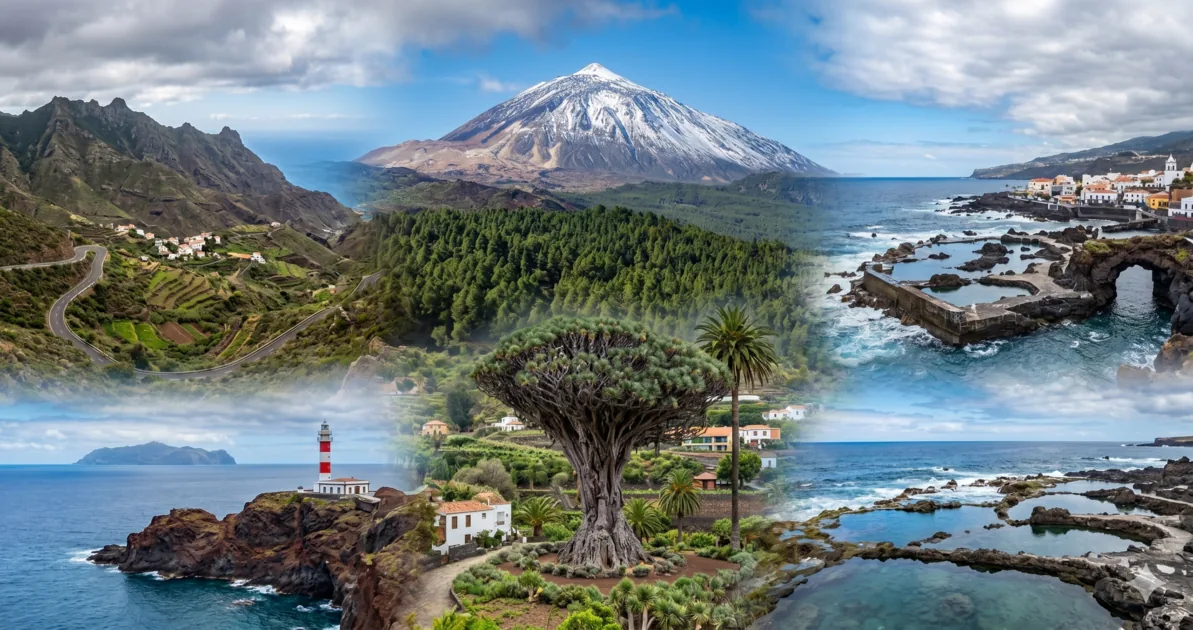



Updated in 2026. If you are looking for what to see in northern Tenerife, prepare for a greener, more Atlantic island and plenty of looking through the car window. The north cannot be understood in a hurry. Here you will find historic centres, laurel forests, natural pools, volcanic towns, guachinches, viewpoints and roads best enjoyed with time to spare.
This guide brings together 18 stops and several road trips to help you organise your journey without losing your mind. You do not need to do everything. In fact, the north is best appreciated when you choose carefully and leave room for coffee, a swim or a bend with a view.
1. San Cristóbal de La Laguna
La Laguna is one of the best gateways to the north. Its World Heritage historic centre can be explored on foot among pedestrian streets, courtyards, churches, stately houses and bars with a local atmosphere. It is a perfect visit before driving up to Anaga or after arriving at Tenerife North Airport.
Practical advice: park and walk. The city is far more enjoyable when you do not try to reach every corner by car.
2. Anaga Rural Park
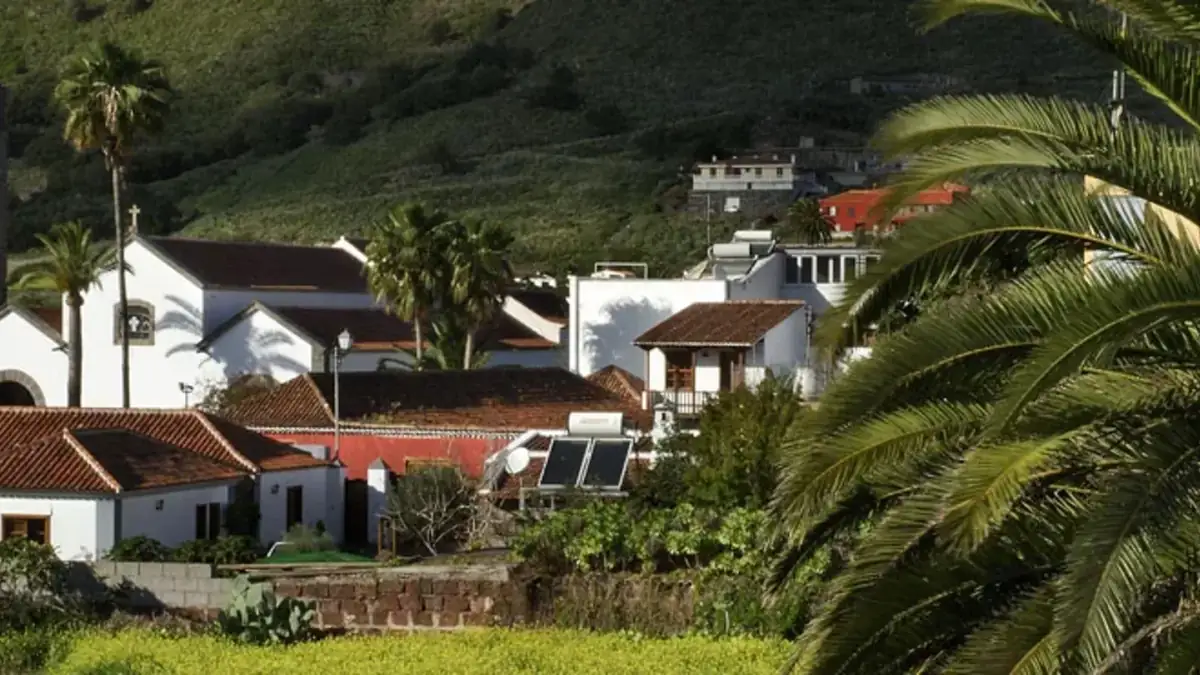
Anaga is one of northern Tenerife’s great treasures. Laurel forest, viewpoints, ravines and hamlets such as Taganana make it an essential excursion. The classic route passes through Cruz del Carmen, Pico del Inglés, Taganana, Almáciga and Benijo, but avoid including too many stops if you want to walk or eat without rushing.
Take a jacket, water and comfortable shoes. Anaga can be misty and humid even when the coast is sunny, and that difference is part of its appeal.
3. Pico del Inglés viewpoint
This is one of Anaga’s most photographed viewpoints. On a clear day, the views are immense; in mist, the experience becomes almost fairytale-like. Be patient because the car park is small and the road demands attention.
4. Taganana, Almáciga and Benijo
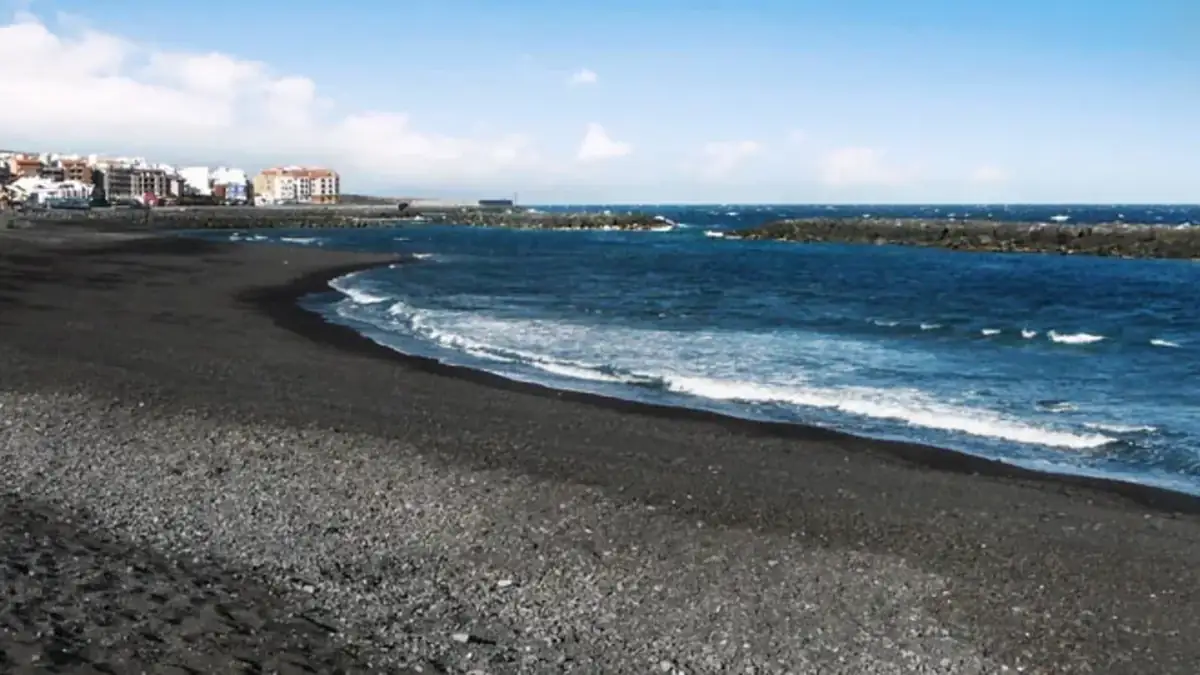
This stretch of coastline is Tenerife in its wild form: rocks, ravines, black-sand beaches and restaurants where the fish tastes like a well-planned day. Benijo is beautiful to see and photograph, but is not always convenient for swimming. Respect the sea and avoid going down when conditions are unclear.
5. Bajamar and Punta del Hidalgo
Bajamar and Punta del Hidalgo combine natural pools, open coast, surfing, walks and views towards Anaga. They are an excellent alternative if you want an authentic northern experience without travelling too far from La Laguna. On days with large waves, the scenes are spectacular, but swimming must remain within designated areas and safe conditions.
6. Tacoronte and the Mesa del Mar coast
Tacoronte combines wine, guachinches, a volcanic coast and viewpoints. Mesa del Mar and the El Pris area are highly photogenic, but the access road has bends and parking can be difficult at busy times. Go with time to spare and without rushing.
7. El Sauzal and the northern coast
El Sauzal is a peaceful stop for gardens, viewpoints and seeing the coast from above. It works very well on a route between La Laguna and Puerto de la Cruz, particularly if you want a meal with views or a walk without crowds.
8. Puerto de la Cruz
Puerto de la Cruz is a base, a walk and a full-day plan. Lago Martiánez, Playa Jardín, San Telmo, La Ranilla, the Botanical Garden and the harbour form a very convenient route. If you travel with family, it may be one of the easiest places for alternating swimming, walking and entertainment.
9. La Orotava
La Orotava has one of the island’s most beautiful historic centres: wooden balconies, squares, gardens and steep streets with views across the valley. It is an essential stop if traditional architecture interests you and combines very well with the northern approach to Mount Teide.
10. Humboldt viewpoint
Humboldt viewpoint lets you understand the Orotava Valley at a glance. It is a short, easy and very rewarding stop on a clear day. If there is low cloud, wait for a while: sometimes the landscape appears and disappears as though somebody were moving a curtain.
11. Los Realejos and Rambla de Castro
Los Realejos offers coast, trails, viewpoints and green corners. Rambla de Castro is one of the most highly recommended walks for experiencing the north: palm trees, cliffs, sea and vegetation that does not seem possible on such a small island.
12. Icod de los Vinos
Icod de los Vinos is famous for the Ancient Dragon Tree, but deserves more than a quick stop. Walk around the centre, see the dragon tree from its landscaped surroundings and, if you fancy an underground visit, book Cueva del Viento in advance.
13. Garachico
Garachico is one of the north’s most special towns. Its volcanic history, carefully maintained centre, the Roque and El Caletón natural pools form a perfect plan. If the sea is rough, swap swimming for walking. Here, caution does not spoil the plan; it improves it.
14. Los Silos
Los Silos is a quieter stop, perfect if you enjoy towns with a local pace, nearby trails and rural scenery. It is a good place to slow down after Garachico or before continuing towards Buenavista.
15. Buenavista del Norte
Buenavista del Norte marks the entrance to one of the northwest’s most impressive landscapes. Its centre, coast, golf course and routes towards Teno mean it deserves more time than it normally receives on a quick excursion.
16. Punta de Teno
Punta de Teno is a beautiful end to a route: a lighthouse, open sea and views towards Los Gigantes. Access may be regulated according to the dates and times, so check current information before travelling. If you cannot enter by car, consider authorised transport or reorganise the route.
17. Masca and Teno Rural Park
Masca is often associated with the west, but fits very well into a large northern route if you come from Buenavista. The road is narrow and winding, so this is not a section for rushing or nervous drivers. Go early, respect parking restrictions and enjoy the landscape calmly.
18. Guachinches and northern cuisine
The north is a land of wine, cheese, potatoes, mojo, carne fiesta, fish and guachinches. There is no need to complicate things: ask for advice, book if possible and avoid planning a heavy meal immediately before a very winding road. Vanessa would tell you affectionately: escaldón is delicious, but it is not always the best passenger.
Two-day route through northern Tenerife
Day 1: La Laguna, Anaga, Taganana, Almáciga and Benijo. Day 2: Puerto de la Cruz, La Orotava, Icod and Garachico. It is intense, but orderly. If you want to swim or hike, remove one of the stops.
Four-day route through northern Tenerife
Day 1: La Laguna and Anaga. Day 2: Puerto de la Cruz, the Botanical Garden and La Orotava. Day 3: Icod, Garachico, Los Silos and Buenavista. Day 4: Punta de Teno, Masca or a gentle route through Rambla de Castro and the northern coast.
Seven-day route without rushing
With a week, the north opens up much more. You can spend several nights in Puerto de la Cruz or La Laguna, devote a full day to Anaga, another to the Orotava Valley, another to Isla Baja and Teno, and another to natural pools and the coast, while leaving time for Mount Teide via the northern road. Do not fill every moment: the best stops often appear between two plans.
Tips for driving in northern Tenerife
- Set off early for Anaga, Masca, Garachico and Punta de Teno if you travel in high season.
- Do not rely only on distances. Mountain roads require more time.
- Take a light jacket even in summer.
- Check access, trail and swimming-area conditions before nature activities.
- At natural pools, watch the sea for several minutes before entering.
- Do not leave visible objects in the car at viewpoints, trailheads or swimming areas.
Where to stay in northern Tenerife
Puerto de la Cruz is practical if you want hotels, restaurants and a good base for excursions. La Laguna suits travellers who prefer an urban atmosphere, heritage and quick access to Anaga. Garachico, Los Silos or Buenavista are better for a quieter, rural trip.
Frequently asked questions about northern Tenerife
Which is more beautiful, northern or southern Tenerife?
They do not compete; they complement each other. The north is greener, more historic and has Atlantic landscapes. The south is normally more convenient for beaches, hotels and reliable sunshine. Combine both if you can.
Does northern Tenerife have good beaches?
Yes, but many are volcanic, wilder and dependent on the swell. For easier swimming, consider natural pools, Lago Martiánez or designated areas with lifeguards.
Is it worth hiring a car to see northern Tenerife?
Yes. There is public transport between cities, but a car provides far more freedom for connecting viewpoints, towns, natural pools and mountain routes.
If you are putting together a fuller itinerary, also save our Tenerife in 3 days route and general guide to what to see in Tenerife to organise your time and distances.