

Updated in 2026. Barranco de Badajoz, in Güímar, is one of those places in Tenerife where nature, the history of water and legends intermingle to the point that separating useful information from fiction can sometimes be difficult. That is precisely why it should be visited properly: with curiosity, certainly, but also with respect, common sense and decent footwear.
This guide explains how to get there, what to expect from the route, what to see along the way, why Cueva del Cañizo is mentioned so often and which precautions to take. The ravine is not a paranormal theme park. It is a natural area with scenic value, remains associated with the exploitation of water and places where safety depends heavily on common sense.
Barranco de Badajoz: quick summary
- Location: the municipality of Güímar, in south-eastern Tenerife.
- Usual access: from Güímar through the area around Camino de Las Coloradas.
- Also known as: Barranco de Chamoco in historical and local references.
- What to see: the ravine landscape, old water galleries, Cueva del Cañizo and the Las Siete Lomas area.
- Key advice: do not enter galleries, caves or closed areas. Looking from outside also counts as an intelligent plan.
Where is Barranco de Badajoz?
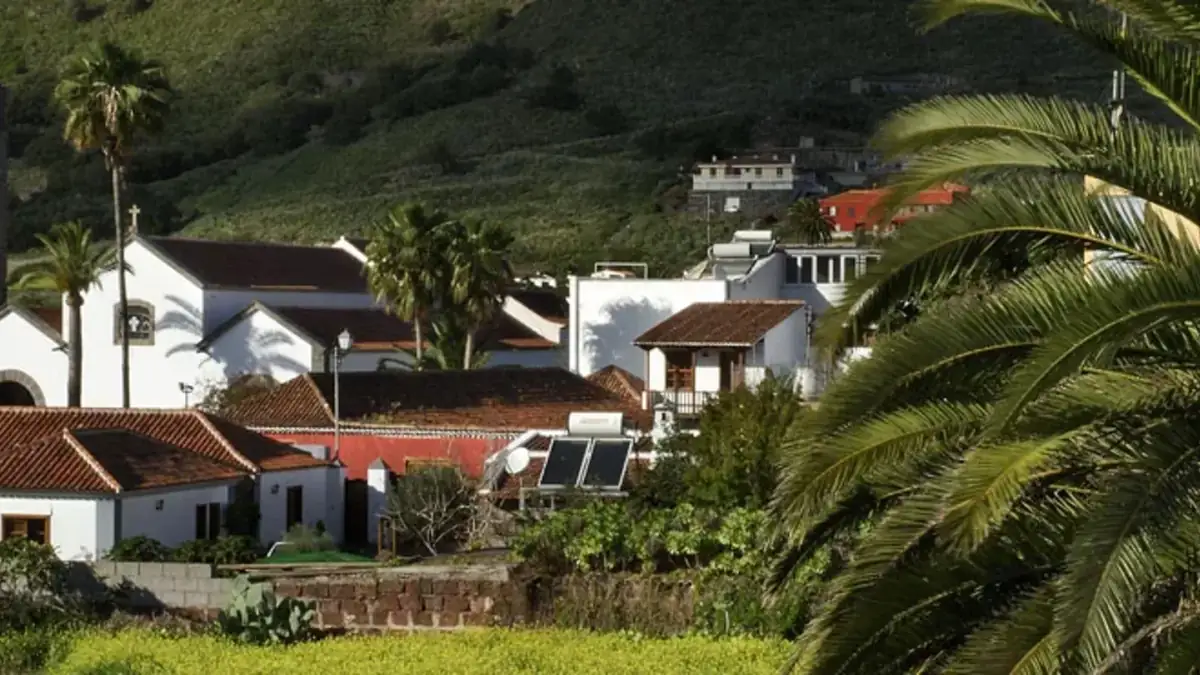
Barranco de Badajoz is in the municipality of Güímar. The mid-altitude tourism listings place it within a natural and historical setting associated with Barranco de Chamoco, with galleries, wells and traditional features connected with finding and channelling water.
Part of its interest lies in the scenery: ravine walls, mid-altitude vegetation, silence and that very Tenerife-like sensation of moving from an urban area into rugged terrain within a few minutes. The area is also linked to the Las Siete Lomas Protected Landscape, which calls for still greater care: do not leave rubbish, make unnecessary noise or wander recklessly off the route.
See the Barranco de Badajoz listing on Medianías de Tenerife
How to get to Barranco de Badajoz
The most practical reference is to reach Güímar first and look for the access around Camino de Las Coloradas. The drive is not usually difficult, but the final section can change because of works, signs, the road surface or temporary restrictions. Check access before setting out and park without obstructing residents, farmland or passageways.
If you have a hire car, apply one simple rule: if a track becomes questionable, narrow or uncomfortable, do not force the issue. Park sooner in a permitted area and continue on foot. A good day in the ravine does not need to end with the car wedged in a ditch; that does not look good even in the legends.
Barranco de Badajoz route: what to expect
The usual route is an out-and-back walk through the ravine. Some tourism descriptions refer to a distance of approximately six kilometres and low difficulty, but that does not make it an urban stroll. There is earth, stone, uneven ground, heat on clear days and a possibility of rockfall in parts of the ravine.
- Type of activity: an easy or moderate walk depending on how far you go.
- Recommended time: between one and two hours for a relaxed visit, longer if you stop and take photographs.
- Footwear: walking shoes or trainers with a good sole are best.
- With children: possible if they are accustomed to walking, but keep away from edges, galleries and unstable areas.
- When to avoid it: rainy days, intense heat or wind if you do not know the terrain.
Cueva del Cañizo and the water galleries
One of the places most frequently mentioned in Barranco de Badajoz is Cueva del Cañizo. You will also see references to galleries and hydraulic works because this area had strong links to the search for water. That adds historical interest, but also requires caution.
Do not enter galleries or caves. They may have insufficient oxygen, rockfalls, unstable areas, holes, animals or safety closures. A responsible visit means observing the surroundings, reading the landscape and returning in one piece. A word of advice: mystery is all very well, but breathing has its charms too.
Legends of Barranco de Badajoz
Barranco de Badajoz has become famous for stories about disappearances, lights, presences, girls dressed in white and experiences that are difficult to verify. They form part of Tenerife’s popular imagination and explain why the place arouses so much curiosity.
My recommendation is to enjoy this layer of mystery without using it as an excuse for reckless behaviour. You can read the legends before going, walk in silence, look at the ravine walls and let the place create its own effect. You do not need to enter prohibited places or visit at night to “feel something”. It already has enough character by day and at a relaxed pace.
What to bring
- Enough water, especially if you visit during warm months.
- Footwear with good grip.
- Sun protection and a hat.
- A charged phone, without depending entirely on signal for navigation.
- A bag in which to take your rubbish home.
- A torch only as backup, not as an invitation to enter galleries.
Safety advice
Ravines in the Canary Islands change with rain, rockfalls and works. Before going, check the weather, avoid days with warnings, do not spend longer than necessary beneath unstable walls and respect signs or closures. If you go alone, tell someone your plan. If a section does not look safe, turn around without drama: Tenerife has more activities than poorly managed pride.
To complete the day, you can visit central Güímar, go to Candelaria or take a relaxed route along the south-east coast. If you want more nature, also consult the island’s official trails and avoid improvising routes through watercourses when rain is forecast.
Frequently asked questions about Barranco de Badajoz
Where is Barranco de Badajoz?
It is in Güímar, in south-eastern Tenerife. The access most often cited starts around Camino de Las Coloradas, although you should check its condition before going.
Is the Barranco de Badajoz route dangerous?
The route can be easy if you take a cautious walk, but it is still a ravine. Avoid rain, intense heat and unstable areas and, above all, do not enter galleries or caves.
What is Cueva del Cañizo?
It is one of the best-known places in the ravine and appears in many references to the area. Observe it cautiously and do not enter any space that may be unsafe.
Why does Barranco de Badajoz have so many legends?
Because of its combination of enclosed scenery, local history, oral accounts and popular mystery. The legends are part of its appeal, but they must not lead to reckless behaviour.
If you are putting together a more complete itinerary, also save our Tenerife in 3 days route and our general guide to what to see in Tenerife to organise your time and travel distances.