

Tenerife’s pilgrimages, known locally as romerías, are one of the most beautiful ways to experience the island at close quarters: decorated carts, folk music, traditional dress, Canarian food, animals, entire families and streets filled with identity. In 2026, events remain spread across many municipalities, so the key is to check the official calendar before travelling and choose the right romería according to where you are staying.
What is a romería?
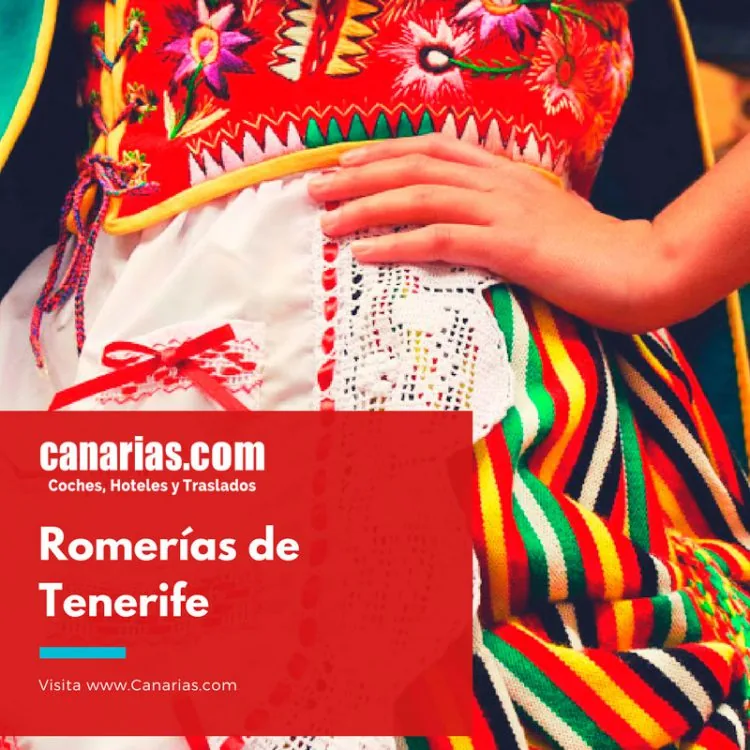
A romería is normally connected with a religious or popular celebration, but visitors experience it as an open street festival. There are musical groups, carts, local produce, dancing, traditional mago dress and a beautiful mixture of tradition and community gathering.
It is not a tourist parade staged for the camera. It is a local celebration. Therefore, watch and participate respectfully, and do not obstruct carts, animals, musicians or families who have spent months preparing for the day.
Important dates in 2026
Tenerife Tourism publishes a calendar of romerías and popular celebrations. The 2026 listings include events such as the Puerto de la Cruz Baile de Magos and the San Benito Romería in La Laguna, regarded as one of the Canary Islands’ most representative. In addition, many pilgrimages in northern, southern and highland municipalities are concentrated during spring and summer.
- La Laguna: San Benito is one of the great reference events.
- La Orotava: pilgrimages and dances connected with its traditional festivities.
- Tegueste: one of the best-loved romerías for its atmosphere and participation.
- Los Realejos, Icod, Garachico and Los Silos: a good calendar of popular celebrations.
- Granadilla, Arona, Adeje, Güímar and Candelaria: useful options if you are staying in the south or southeast.
Because dates can move or be expanded with preliminary events, always check the municipal programme for the particular romería. A poster shared on social media may be incomplete or from another year.
How to enjoy a romería without getting it wrong
- Arrive early: access roads become busy and some streets close.
- Park outside the centre: walking for ten minutes is better than becoming trapped at the end.
- Carry cash: for stalls, food, water or small purchases.
- Respect traditional dress: if you want a close photograph of somebody, ask permission.
- Do not cross between carts: wait for the group to pass and follow safety instructions.
- Stay hydrated: many pilgrimages take place in sunshine and celebrations can last for hours.
If you visit with children, find a comfortable place near the start of the route and do not try to follow the entire romería. If you are with older people, prioritise shade, a nearby seat and an easy exit.
What to eat and drink
At a romería, you may find wrinkled potatoes, mojo, cheese, gofio, carne fiesta, wine, sweets, bread and local products. Some carts hand out food, but do not assume this or enter their space. Observe the atmosphere and use common sense.
If you are going to drink wine or beer, do not drive afterwards. Tenerife’s romerías take place in municipalities with winding roads and late-night return journeys. The perfect plan is to use a designated driver who does not drink, a taxi, public transport or nearby accommodation.
How to get around
- Car: convenient for towns or highland areas, but park farther away and allow time.
- Bus: a good option for larger centres if TITSA provides extra services or there are nearby stops.
- Taxi: useful for returning if you have been drinking or do not want to struggle with parking.
- On foot: the best way to experience the celebration within the town centre.
Before setting off, check traffic closures, the route’s location and starting time. At large romerías, arriving late means seeing more cars than tradition.
Romería, baile de magos and paseo romero: quick differences
- Romería: a popular procession with carts, music, traditional dress and a festive atmosphere.
- Baile de magos: an afternoon or evening dance where traditional dress is normally required to participate.
- Paseo romero: a format similar to a romería, sometimes smaller or connected with a particular neighbourhood.
You do not need traditional dress to watch a romería from the street. At some bailes de magos, traditional clothing or compliance with access rules may be compulsory, so check the programme before arriving.
Frequently asked questions
When are Tenerife’s romerías held?
Romerías take place throughout much of the year, with a particular concentration in spring and summer. Dates change by municipality, so check Tenerife Tourism and municipal websites.
Which is Tenerife’s most famous romería?
The San Benito Romería in La Laguna is one of the Canary Islands’ most representative. Events in Tegueste, La Orotava, Los Realejos and other municipalities are also notable.
Can I attend a romería without traditional dress?
Yes, you can attend as a visitor and watch the procession from the street. Some bailes de magos may require traditional dress or an admission ticket, so check the programme.
Is driving to a romería a good idea?
It can be convenient, but there will be closures and heavy traffic. Arrive early, park outside the centre and do not drive if you intend to drink alcohol.
To continue tasting the island in a meaningful way, combine this plan with our guide to Tenerife’s wineries and our practical explanation of guachinches in Tenerife.