

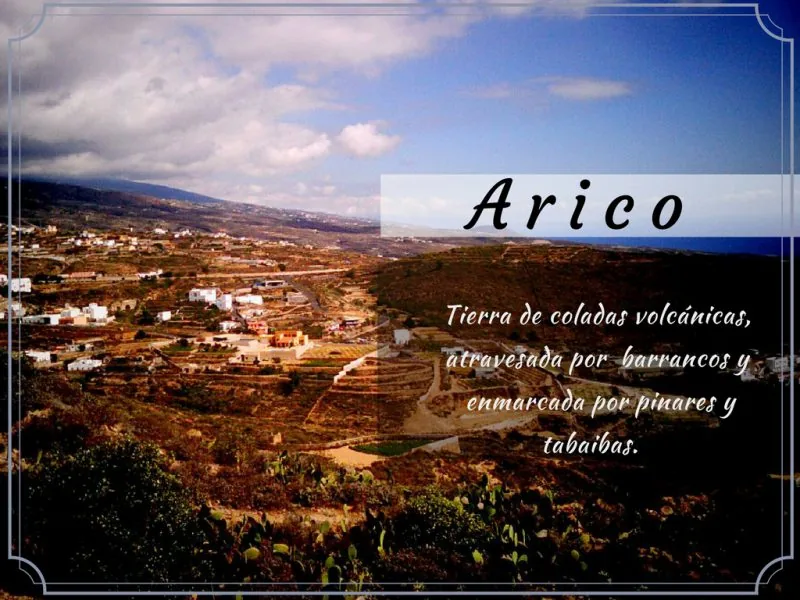
Arico is one of those Tenerife municipalities that many people cross on the TF-1 without imagining everything it contains: mid-altitude villages, volcanic coves, fish restaurants in Tajao, quiet beaches in Abades and El Porís, historic routes and one of the island’s best-known climbing areas.
Updated in 2026.
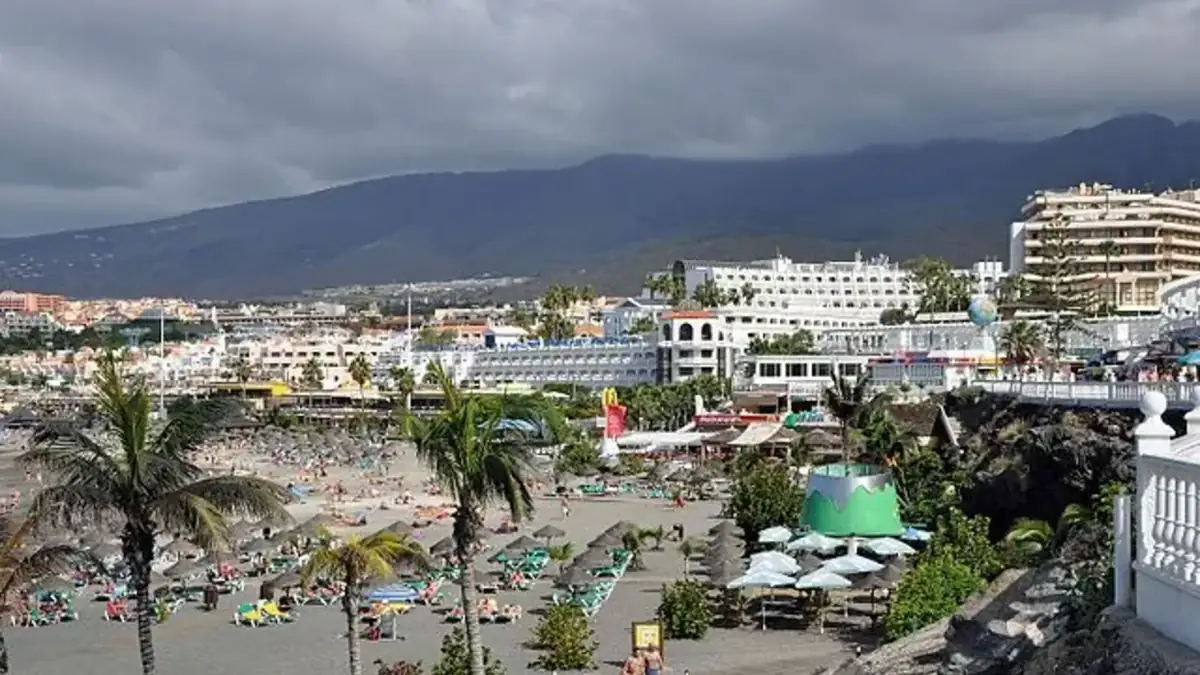
It lies in south-east Tenerife, between Fasnia and Granadilla de Abona, and has a very different personality from the large tourist resorts in the south. Arico is not about enormous hotels or endless seafront promenades. It is about secondary roads, stone houses, dry ravines, wind, spurges, villages that seem to move at a different pace and a coastline perfect for stopping for lunch, swimming when the sea allows and continuing your route.
With a car, Arico makes a very rewarding plan: you can combine the inland area and coast in a single day, without rushing or fighting large crowds. Many of its beaches and bathing areas are more natural than tourist-oriented, however, so check the sea carefully, wear comfortable footwear and do not expect services in every corner.
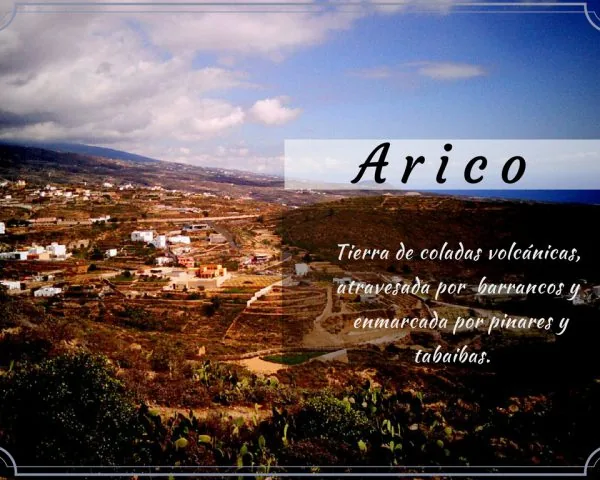
Arico in Tenerife: where it is and why it deserves a stop
Location: see Arico on Google Maps.
Arico covers a broad strip of south-east Tenerife that descends from the highlands and mid-altitude areas to the ocean. It is one of the island’s largest municipalities and includes very different settlements: Villa de Arico, Arico Viejo, Arico Nuevo, Icor, El Río, Abades, El Porís, La Jaca, Las Listadas and San Miguel de Tajao, among others.
The easiest way to visit is by car. From Santa Cruz or the south, take the TF-1 and then, depending on your plans, the exit for Abades, El Porís or Tajao, or the roads climbing into the mid-altitude area. Public transport is available, but a car makes all the difference if you want to combine beaches, villages and viewpoints in one day.
What to see in Arico: the essentials
Arico is best enjoyed without turning it into a frantic checklist. Even so, several places help you understand the municipality:
- Arico Nuevo: a historic group of traditional buildings, stone houses and rural life.
- Villa de Arico: the municipal capital and main reference point in the mid-altitude area.
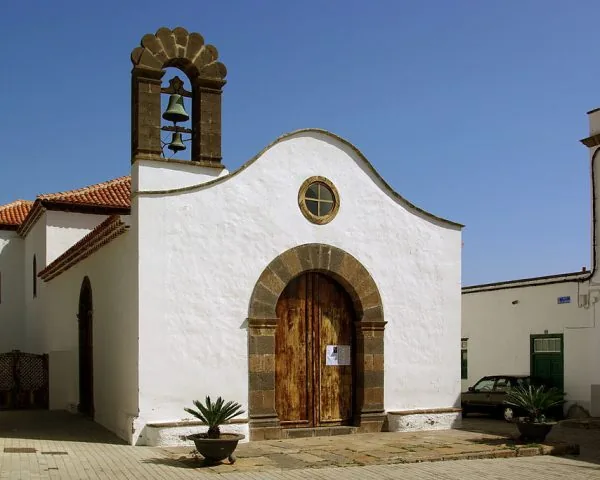
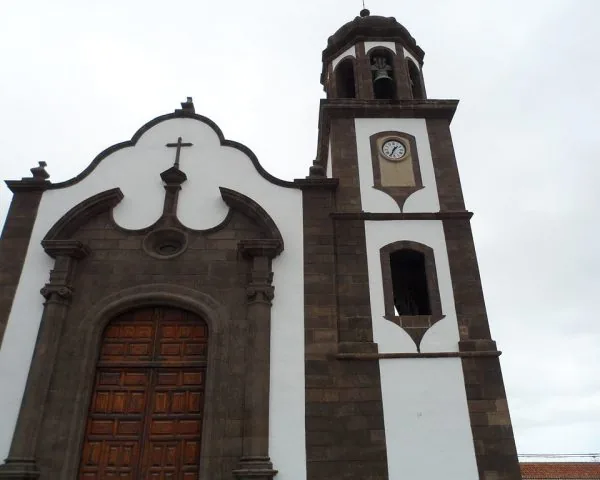
- Church of San Juan Bautista: one of the municipality’s most important heritage buildings.
- Camino Real: a route with historic sections between traditional settlements.
- Abades and Los Abriguitos: a convenient coastal area with a beach and relaxed atmosphere.
- El Porís: a fishing settlement with small beaches and a local atmosphere.
- Tajao: an almost essential food stop if you enjoy fresh fish.
- Punta de Abona: open coast, a lighthouse and volcanic scenery.
- Arico’s ravines: a leading sport-climbing destination in Tenerife.
Arico Nuevo: a walk through Tenerife’s mid-altitude countryside
Location: see Arico Nuevo on Google Maps.
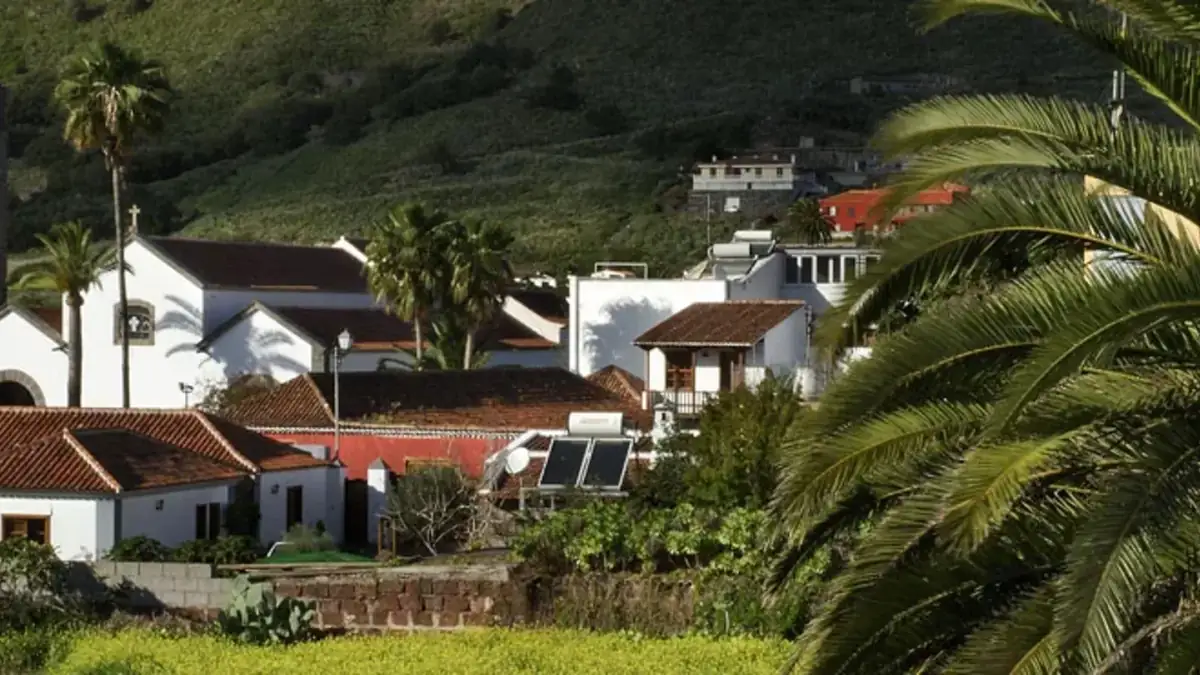
Arico Nuevo is one of the municipality’s loveliest places for an unhurried walk. It preserves traditional mid-altitude architecture, with aligned houses, Chasna stone, inner courtyards and a calm that feels welcome after several days on the coast.
The village grew around the availability of water and the road linking La Degollada with El Porís de Abona. It is designated a Historic Site, and the best thing to do there is not search for “the photograph” but walk slowly, look at the façades, listen to the silence and understand what rural life in the south was like before the motorways.
Villa de Arico and the Church of San Juan Bautista
Location: see the Church of San Juan Bautista on Google Maps.
Villa de Arico, also known as El Lomo de Arico, is the municipal capital. It is home to the town hall and the Church of San Juan Bautista, declared a Historic-Artistic Monument in 1985. The present church dates from the 18th century and combines Baroque and late Gothic elements, giving it a distinctive presence in the old centre.
If you enjoy heritage, it deserves a short stop. You need not spend half a day, but do get out of the car, walk around and look at the group of buildings calmly. Arico has a discreet kind of beauty: it does not impose itself, but appears when you slow down.
Beaches in Arico: quiet coast, coves and volcanic sand
Arico does not have postcard tourist beaches backed by broad avenues. Its coast is simpler, more local and more volcanic. That is precisely its charm. On calm-sea days you can enjoy some very pleasant swims, but caution is important: some areas are pebble beaches, others are windy, and not all have full services.
Los Abriguitos Beach, Abades
Location: see Los Abriguitos Beach on Google Maps.
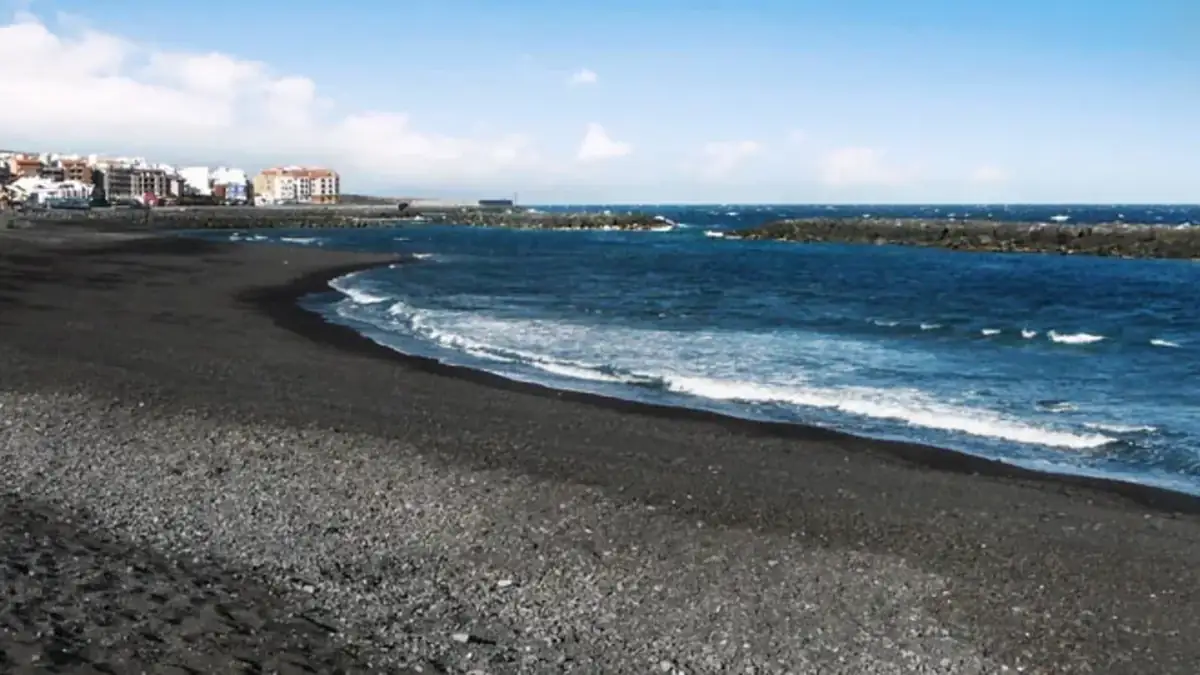
Los Abriguitos in Abades is probably one of Arico’s most convenient beaches. Tenerife Tourism describes it as an urban black-sand beach with easy access, showers, parking and a bus connection. It is usually one of the municipality’s best options for families or anyone looking for a straightforward swim without too many complications.
Abades also has a calm residential atmosphere, with restaurants and basic services nearby. It suits you well if you want a beach without Costa Adeje’s tourist pace but do not want a completely isolated cove.
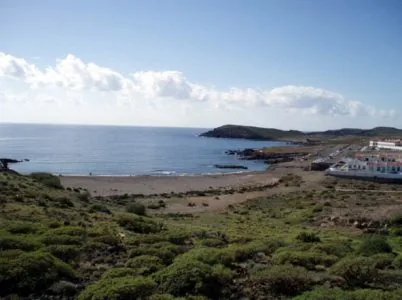
El Porís Beach
Location: see El Porís Beach on Google Maps.
El Porís has a very pleasant maritime character. Its beach is small, with gravel and sand, easy access and a local atmosphere. Do not expect extensive services or an enormous beach; the plan here is a brief swim, a walk by the sea and a quiet stop.
It is a good choice when exploring Arico’s coast and looking for a less tourist-oriented settlement. On windy days or with an uncomfortable tide, enjoy it from shore and continue towards Abades or Tajao.
Playa Grande and the area around El Porís
Location: see Playa Grande on Google Maps.
Playa Grande, near El Porís, is one of the beaches that most surprises visitors at low tide. It has the simple, open-coast quality that defines Arico: nothing overly developed, a vast horizon and the feeling of seeing a less polished Tenerife.
The wind can appear, so check the forecast and tide if your plans depend on swimming. It is worthwhile for a walk, watching the sea or stopping away from the most typical routes.
Tajao: a short swim and a long lunch
Location: see Tajao on Google Maps.
Tajao is one of Arico’s most appetising names. Its beach is small, with pebbles and black sand, while restaurants known for fresh fish cluster beside the fishing harbour. When the sea is calm, you can have a quick swim; when it is not, the journey remains worthwhile for the food.
The charm of Tajao is that it does not try to be anything else. It is a coastal settlement with boats, the smell of salt and restaurants where the sensible approach is to ask which fish is available that day. For me, it is one of the best food stops when travelling up or down the TF-1 and wanting to leave the obvious route.
Punta de Abona and the lighthouse
Location: see Punta de Abona Lighthouse on Google Maps.
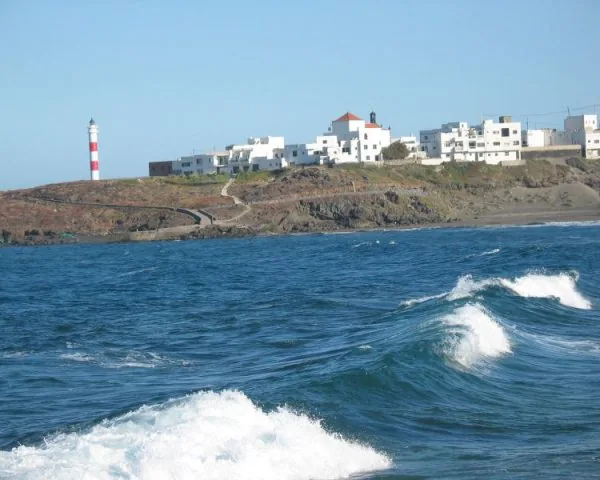
Punta de Abona reveals a more open and photogenic coast, with the lighthouse as its landmark. It is a place to walk carefully, feel the wind and view the volcanic shoreline without rushing. Rather than a convenient beach plan with small children, it is primarily a scenic stop.
Near Abades you will also see the well-known ruins of the former leprosy settlement. They can be viewed from outside and form part of the area’s visual memory, but use common sense: do not enter deteriorated structures, leave no rubbish and respect the surroundings.
Climbing in Arico: a leading Tenerife destination
Arico is very well known among sport climbers. Its ravines and volcanic walls have sectors at different grades, and the dry south-eastern climate allows climbing through much of the year. If you lack experience, however, do not improvise: go with trained people, suitable equipment and respect for access and parking rules.
Protecting the environment is equally important. A climbing area’s popularity depends greatly on visitors not blocking tracks, scattering chalk and rubbish everywhere or disregarding farms, paths and residents. The rock is not going anywhere, but local patience can wear thin.
Camino Real and routes through the mid-altitude area
Approximate location: see Arico’s Camino Real on Google Maps.
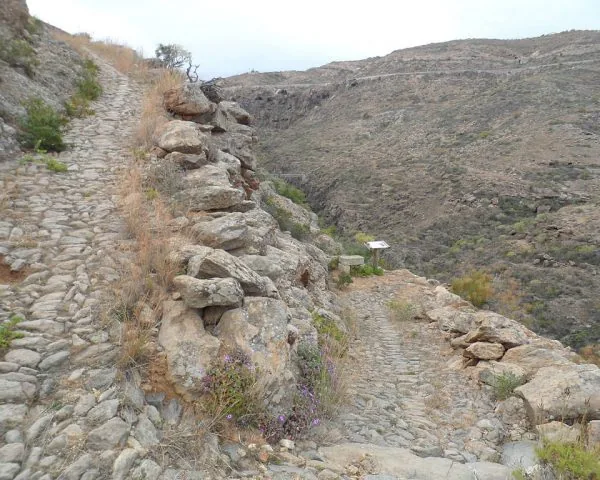
The Camino Real between Arico’s settlements retains cobbled sections and walls that recall how people travelled before cars reorganised the map. It is a lovely way to discover the municipality, especially if you are interested in rural Tenerife.
For walking, take water, sun protection and footwear with a decent sole. The south-east may look gentle under its clear sky, but the sun is strong and shade is scarce.
Where to eat in Arico
If you ask someone from Tenerife about Arico, the conversation is very likely to end up at Tajao. Its food reputation comes from restaurants serving fish, seafood and simple coastal cooking. The best approach is not to arrive with a rigid idea, but to take advice based on that day’s produce.
The mid-altitude areas also have bars and restaurants serving Canarian food, cheeses, wines and stews. Arico is not a showcase for sophisticated fine dining; it is more about local produce, honest portions and stops that taste better when you arrive hungry from the road.
A one-day road trip around Arico
If you have only one day to discover Arico, this route works well:
- Start in Arico Nuevo with a short walk around the historic site.
- Climb or cross to Villa de Arico to see the Church of San Juan Bautista.
- Descend towards Abades to visit Los Abriguitos and the Punta de Abona area.
- Continue to El Porís for a more local coast.
- Finish in Tajao with fresh fish for lunch or dinner.
If you are more interested in beaches than heritage, reverse the order: Abades in the morning, El Porís at midday and Tajao for lunch. If history interests you more, spend longer in Arico Nuevo, Villa de Arico and Icor.
Practical advice for visiting Arico
- Best by car: distances between settlements are not enormous, but they are spread out.
- Check the wind and sea: Arico’s coast can change greatly from one day to the next.
- Take water: there is little shade on trails and open coastal areas.
- Do not expect services at every beach: Abades is more convenient; other areas are more natural.
- Respect tracks and farms: many routes pass close to rural land.
- Book or arrive early for a meal in Tajao: it can become quite busy at weekends.
- Do not enter ruins or deteriorated structures: they may be dangerous despite looking photogenic.
Frequently asked questions about Arico
Where is Arico?
Arico is in south-east Tenerife, between Fasnia and Granadilla de Abona. Its territory stretches from the mid-altitude areas and highlands to a volcanic coast with settlements such as Abades, El Porís and Tajao.
Which beaches should I visit in Arico?
The most recommendable for a first visit are Los Abriguitos in Abades, El Porís Beach, Playa Grande and the Tajao area. Swimming always depends on sea conditions.
Is Tajao worth visiting?
Yes, especially if you would like fresh fish in a local coastal setting. You can also have a brief swim when the sea is calm, but Tajao shines particularly brightly as a food stop.
Is Arico a good place for children?
Yes, if you choose the right plan. Abades is usually one of the most convenient areas for families. For trails, open coast or Punta de Abona, wear suitable footwear, carry water and take care in the sun.
Can you visit Arico without a car?
You can reach several settlements by bus, but a car is much more convenient for combining mid-altitude areas, beaches and Tajao in one day. Arico is a dispersed municipality.
What distinguishes Arico from other parts of southern Tenerife?
Arico is less tourist-oriented and more rural. It has a simpler volcanic coast, historic villages, climbing, fish restaurants and dry landscapes highly characteristic of the south-east.
Conclusion
Arico is not a place you visit to see everything in one photograph. It is a municipality where you slow down, leave the motorway and let the details appear: an old façade in Arico Nuevo, the wind at Punta de Abona, a peaceful swim in Abades, a table in Tajao or a road climbing between ravines.
If you are touring the beaches of Tenerife or looking for a different route through the south, Arico deserves more than an improvised exit from the TF-1. Give it a few hours and it rewards you with a less obvious, drier, quieter and highly authentic Tenerife.